

Do all cryptocurrencies use blockchain
Card networks have delivered scale, security and interoperability, but the reality is that merchants bear high costs, and consumers are incentivized with rewards to keep using the same credit-based rails https://greenleafsupplements.com/bonuses/no-deposit-bonus/. It’s created a payments environment that is harder to evolve.
Contactless payments have seen a significant surge in adoption, particularly accelerated by the COVID-19 pandemic. Consumers and businesses alike have embraced the convenience and safety of contactless transactions. This trend shows no signs of slowing down. According to a study by Juniper Research, the value of contactless payments is expected to reach $10 trillion globally by 2027. This growth is driven by advancements in Near Field Communication (NFC) technology and the increasing availability of contactless payment terminals.
Cryptocurrencies, once considered a niche market, are increasingly becoming part of mainstream financial transactions. Major companies like Tesla and PayPal have begun accepting Bitcoin and other cryptocurrencies as payment. This trend indicates a growing acceptance of digital currencies in everyday commerce. According to a report by Allied Market Research, the global cryptocurrency market is projected to reach $4.94 billion by 2030, growing at a compound annual growth rate (CAGR) of 12.8% from 2021 to 2030.
One of the driving forces behind this trend is the development of more user-friendly and secure cryptocurrency wallets and exchanges. Platforms like Coinbase and Binance have made it easier for individuals to buy, sell, and hold cryptocurrencies. Additionally, the integration of blockchain technology into various financial systems enhances transparency and reduces fraud, further boosting confidence in digital currencies.

Are all cryptocurrencies based on blockchain
As we now know, blocks on Bitcoin’s blockchain store transactional data. Today, tens of thousands of other cryptocurrencies run on a blockchain. But it turns out that blockchain can be a reliable way to store other types of data as well.
Bitcoin is a perfect case study of the inefficiencies of blockchain. Bitcoin’s PoW system takes about 10 minutes to add a new block to the blockchain. At that rate, it’s estimated that the blockchain network can only manage about seven transactions per second (TPS). Although other cryptocurrencies, such as Ethereum, perform better than Bitcoin, the complex structure of blockchain still limits them. Legacy brand Visa, for context, can process 65,000 TPS.
People who mine are essentially conducting transactions and then verifying them. Verifying a transaction involves solving a difficult mathematical problem, and miners do this in exchange for newly minted bitcoins. In simpler terms, Bitcoin miners are not just working to receive newly created bitcoins, but also as an incentive for their work they receive some freshly created coins for free as well. To get a better idea of how this works, take a look at MoneyPool.io. Miners are rewarded based on the number of bitcoins they have mined over the period and the difficulty level at which their solutions were found. This is known as a proof-of-work consensus system because it relies on people solving complex math problems to gain „work credits.”
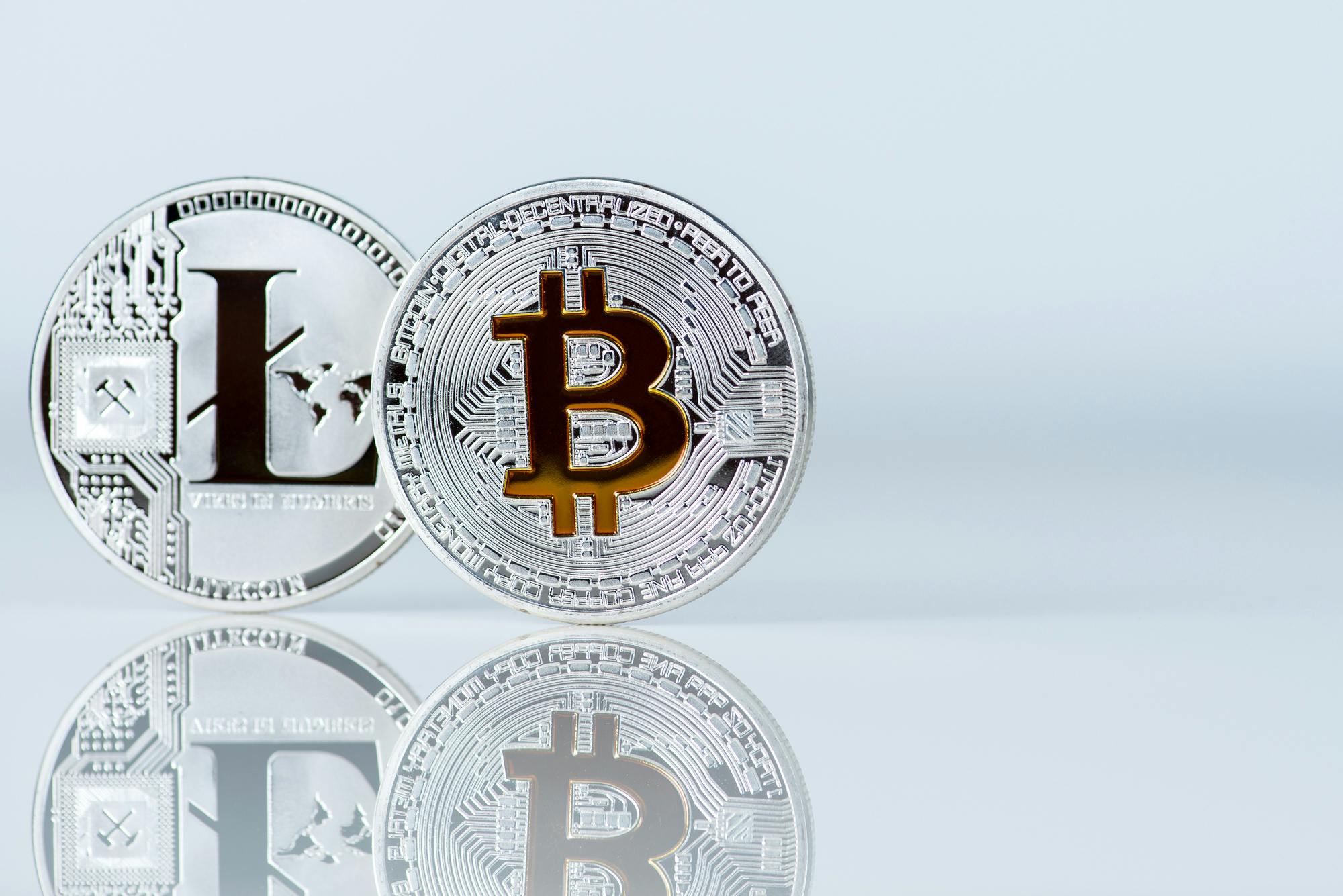
As we now know, blocks on Bitcoin’s blockchain store transactional data. Today, tens of thousands of other cryptocurrencies run on a blockchain. But it turns out that blockchain can be a reliable way to store other types of data as well.
Bitcoin is a perfect case study of the inefficiencies of blockchain. Bitcoin’s PoW system takes about 10 minutes to add a new block to the blockchain. At that rate, it’s estimated that the blockchain network can only manage about seven transactions per second (TPS). Although other cryptocurrencies, such as Ethereum, perform better than Bitcoin, the complex structure of blockchain still limits them. Legacy brand Visa, for context, can process 65,000 TPS.
List of all cryptocurrencies
Each of our coin data pages has a graph that shows both the current and historic price information for the coin or token. Normally, the graph starts at the launch of the asset, but it is possible to select specific to and from dates to customize the chart to your own needs. These charts and their information are free to visitors of our website. The most experienced and professional traders often choose to use the best crypto API on the market. Our API enables millions of calls to track current prices and to also investigate historic prices and is used by some of the largest crypto exchanges and financial institutions in the world. CoinMarketCap also provides data about the most successful traders for you to monitor. We also provide data about the latest trending cryptos and trending DEX pairs.
The UK’s Financial Conduct Authority estimated there were over 20,000 different cryptocurrencies by the start of 2023, although many of these were no longer traded and would never grow to a significant size.
Related Links Are you ready to learn more? Visit our glossary and crypto learning center. Are you interested in the scope of crypto assets? Investigate our list of cryptocurrency categories. Are you interested in knowing which the hottest dex pairs are currently?
The first chain to launch smart contracts was Ethereum. A smart contract enables multiple scripts to engage with each other using clearly defined rules, to execute on tasks which can become a coded form of a contract. They have revolutionized the digital asset space because they have enabled decentralized exchanges, decentralized finance, ICOs, IDOs and much more. A huge proportion of the value created and stored in cryptocurrency is enabled by smart contracts.
 Print
Print  PDF
PDF
