

What is the market cap of all cryptocurrencies
CoinMarketCap does not offer financial or investment advice about which cryptocurrency, token or asset does or does not make a good investment, nor do we offer advice about the timing of purchases or sales online casino deposit methods. We are strictly a data company. Please remember that the prices, yields and values of financial assets change. This means that any capital you may invest is at risk. We recommend seeking the advice of a professional investment advisor for guidance related to your personal circumstances.
The UK’s Financial Conduct Authority estimated there were over 20,000 different cryptocurrencies by the start of 2023, although many of these were no longer traded and would never grow to a significant size.
Almost. We have a process that we use to verify assets. Once verified, we create a coin description page like this. The world of crypto now contains many coins and tokens that we feel unable to verify. In those situations, our Dexscan product lists them automatically by taking on-chain data for newly created smart contracts. We do not cover every chain, but at the time of writing we track the top 70 crypto chains, which means that we list more than 97% of all tokens.
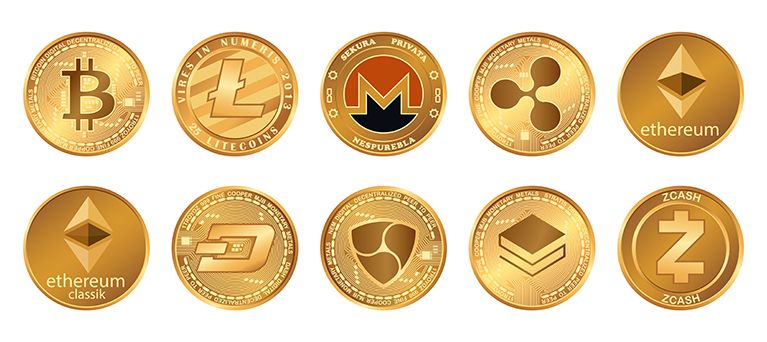
Are all cryptocurrencies the same
In simple words, not all digital currencies are cryptocurrencies, but all cryptocurrencies qualify as digital currencies. It is also important to note that the intricate differences between digital currencies and cryptocurrencies are crucial for regulators, investors, and users. A deep dive into the definition of both terms can help you find the ideal foundation for comparisons between them.
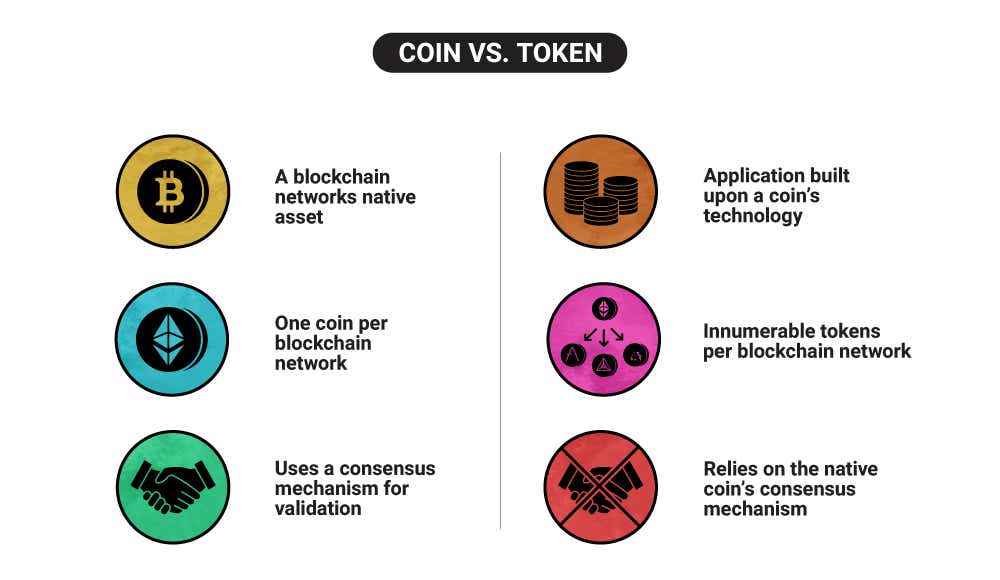
Tokens are not currency at all, though they can represent units of value. Instead, tokens are a form of programmable asset specifically used to create and execute smart contracts. When a token represents a unit of value, it can stand in to represent physical or digital assets, including cryptocurrency, though it is not a unit of currency in its own right. Basically, if you own a token representing an asset, you own a blockchain-verified smart contract connected to the asset in question.
For example, public-private key cryptography or innovative solutions such as zero-knowledge proofs help strengthen the security of cryptocurrencies. On top of it, certain cryptocurrencies also rely on their community to maintain safety and reliability.
In simple words, not all digital currencies are cryptocurrencies, but all cryptocurrencies qualify as digital currencies. It is also important to note that the intricate differences between digital currencies and cryptocurrencies are crucial for regulators, investors, and users. A deep dive into the definition of both terms can help you find the ideal foundation for comparisons between them.
Tokens are not currency at all, though they can represent units of value. Instead, tokens are a form of programmable asset specifically used to create and execute smart contracts. When a token represents a unit of value, it can stand in to represent physical or digital assets, including cryptocurrency, though it is not a unit of currency in its own right. Basically, if you own a token representing an asset, you own a blockchain-verified smart contract connected to the asset in question.
Do all cryptocurrencies use blockchain
Since a block can’t be changed, the only trust needed is at the point where a user or program enters data. This reduces the need for trusted third parties, such as auditors or other humans, who add costs and can make mistakes.
On some blockchains, transactions can be completed and considered secure in minutes. This is particularly useful for cross-border trades, which usually take much longer because of time zone issues and the fact that all parties must confirm payment processing.
Not all cryptocurrencies use blockchain technology, but most do. This is because blockchain technology is a fundamental component of most cryptocurrencies, providing a secure and decentralized way to record transactions.
 Print
 PDF

